
Eleições 2026: Amazônia Legal e o bolsonarismo
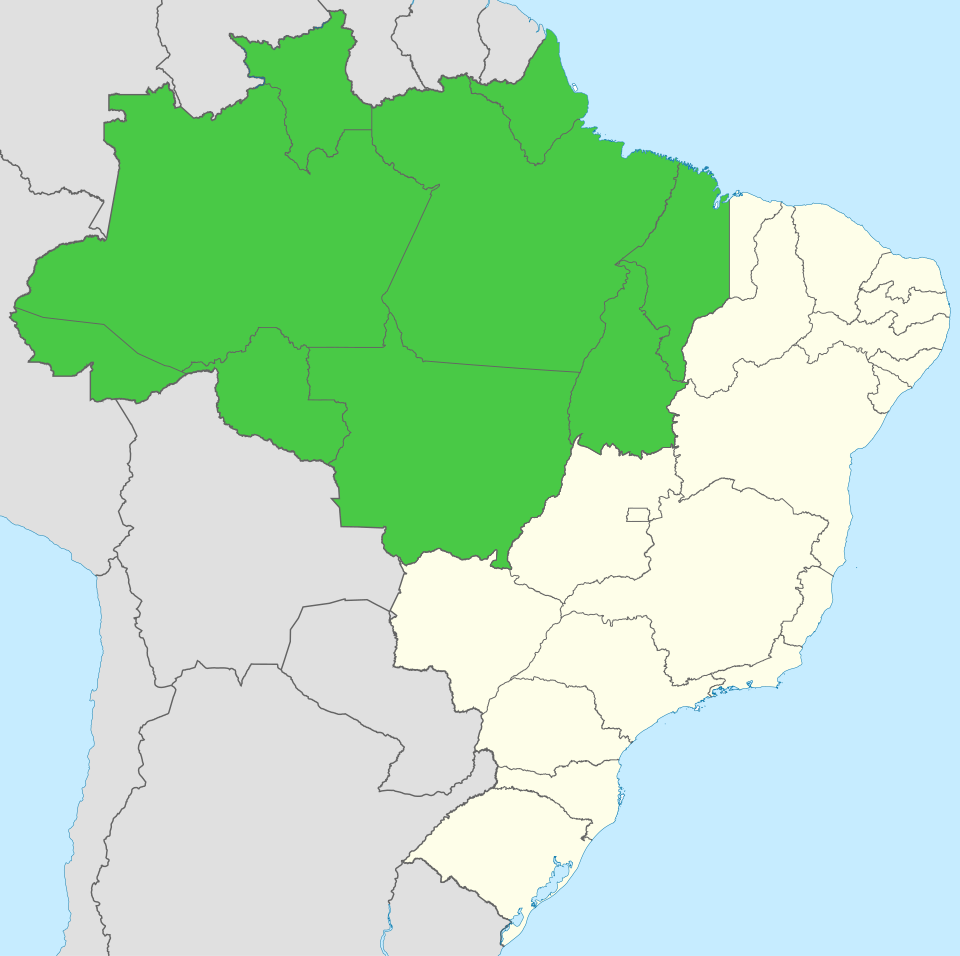
Por Adilson Vagner de Oliveira. Desde 2022, o Laboratório de Estudos Geopolíticos da Amazônia Legal (LEGAL) tornou-se um dos principais observatórios institucionais para acompanhar a dinâmica política dessa região brasileira. Enquanto uma construção histórica de organização política de estados com ecossistemas próximos, a Amazônia Legal surge em 1953 com o objetivo de planejar políticas de desenvolvimento econômico e social para a região amazônica.
RITO DE PASSAGEM: CEDEC E LUA NOVA

Como parte das celebrações pelos 50 anos do Cedec, o Boletim Lua Nova dá continuidade ao especial dedicado a revisitar textos que ajudam a reconstruir a trajetória da instituição. Publicado em 2017, por ocasião dos 40 anos do Cedec e da centésima edição da Lua Nova, o artigo de Cícero Araujo recupera alguns dos principais momentos da história do Centro e da revista.
A nova dinâmica de atuação do Congresso Nacional no ciclo orçamentário brasileiro
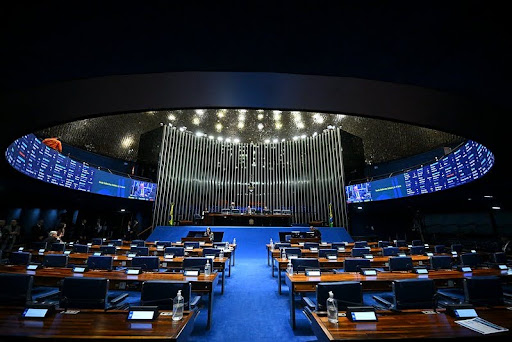
Abrindo a Série Especial Eleições 2026, Raul Bonfim analisa as transformações recentes na atuação do Congresso Nacional sobre o orçamento federal. A partir de dados sobre emendas ao PPA, à LDO e à LOA, o autor argumenta que a influência parlamentar se concentrou cada vez mais na alocação de recursos dos orçamentos anuais, em detrimento das fases de planejamento e definição de prioridades de médio prazo. A questão central, sugere o texto, não é se o protagonismo legislativo é desejável, mas quais funções do Legislativo saem fortalecidas ou enfraquecidas nesse novo arranjo institucional.
20 ANOS DO CEDEC
Como parte das celebrações pelos 50 anos do Cedec, o Boletim Lua Nova dá continuidade ao especial dedicado a revisitar textos que ajudam a reconstruir a trajetória da instituição. Publicado em 1997, por ocasião de seu vigésimo aniversário, o escrito que segue reúne reflexões de Amélia Cohn, então presidente do Cedec, apresentadas durante a comemoração realizada em dezembro de 1996.
Philosophy and Social Inequalities. Criteria of Coherence

Por Fabrizio Sciacca. I use ‘equality’ here in a normative and politico-institutional sense rather than a descriptive one. To say that individuals are equal is not to claim that they are similar in ability, income, health, preferences, or character, but rather that differences in treatment and position must be justifiable by publicly defensible criteria and consistent with the equal standing of persons (Dworkin, 1977; Bobbio, 1995).
Between Conservation and Commodification:A Critical Reflection on Puma Tourism in Torres del Paine, Patagonia

Por Herald Stelzer. That moment – somewhere on the windswept Patagonian steppe – is what thousands of people travel to Torres del Paine each year to experience. The national park in southern Chile has become the world’s best-known destination for observing the puma (Puma concolor) in the wild, and the industry built around this encounter is genuinely remarkable. It has changed how ranchers think about predators, brought conservation investment to former sheep farms, and generated a cooperative tracking culture among local guides that is unlike anything I had seen elsewhere. It has also, at times, created some of the most chaotic wildlife encounters I have ever experienced.
CEDEC 30 anos

Como parte das celebrações pelos 50 anos do Cedec, o Boletim Lua Nova dá início a um especial dedicado a revisitar textos que marcaram a trajetória da instituição. A série começa com o artigo publicado em 2006 por Paulo Eduardo Elias, então presidente do Cedec, por ocasião de seu trigésimo aniversário.
Resultados da política externa de Trump

Em parceria com o Observatório Político dos Estados Unidos (OPEU), o Boletim Lua Nova republica a análise de Williams Gonçalves, sobre os resultados da política externa de Donald Trump. O texto foi originalmente publicado em 27 de julho de 2026
¿Pueden las ciudades abrir la democracia? Los Planes de Metas de Gobierno como innovación participativa en América Latina
Por Patricia Mariel Sorribas. Este texto compõe a série Especial do Boletim Lua Nova com pesquisadoras e pesquisadores vinculados à rede internacional Justice in the XXI Century: A Perspective from Latin America (JUSTLA)
A polícia contra Iansã na escola? Ofensiva anti-igualitária para além do gênero e da sexualidade

Por Tiago Duque. No campo da Educação, as temáticas das diferenças têm sido analisadas academicamente em distintas perspectivas teórico-metodológicas. Uma delas tem relação direta com os Estudos Culturais, articulados com outras perspectivas pós-críticas. Em um contexto marcado pelo que tem sido chamado de “era digital”, diferentes artefatos, em interação com a mais variada audiência, nos apresentam possibilidades de reflexões sobre o que e como se ensina em relação às diferenças. Nesse sentido, o currículo (Silva, 2013) e a pedagogia (Sabat, 2021) em questão são o que aprendemos com, na e pela cultura, mas não necessariamente aqueles conhecimentos modos de ensino-aprendizagem restritos aos documentos, práticas e legislações escolares.