
A Guerra ao terror Chega ao Crime Brasileiro
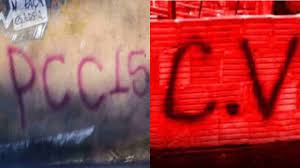
Por Leonardo David. A decisão dos Estados Unidos de classificar o Primeiro Comando da Capital (PCC) e o Comando Vermelho (CV) como organizações terroristas estrangeiras marca uma inflexão relevante na forma como Washington interpreta o crime organizado brasileiro. A gravidade dessas facções não está em disputa. PCC e CV controlam economias ilícitas, estruturam redes transnacionais de tráfico, operam dentro e fora do sistema prisional, exercem formas de governança criminal sobre territórios e desafiam o monopólio legítimo do uso da força do Estado brasileiro.
O processo de implementação da Doutrina Donroe
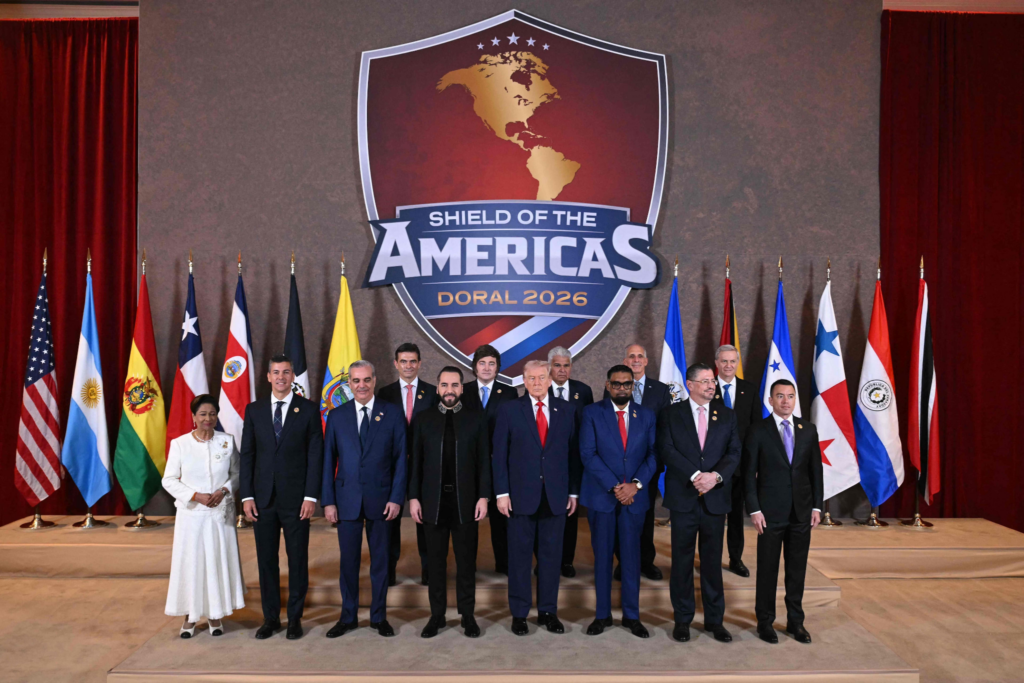
Por Victor Ferreira de Almeida. Passados cerca de 1 ano e seis meses da posse de Donald Trump na presidência dos EUA, podemos ter uma interpretação sobre a sua política externa para a América. Com sua direção antecipada por diversos analistas brasileiros, a Estratégia de Segurança Nacional, publicada em novembro de 2025, representa uma política imperialista de dominação com o que entendem “nosso Hemisfério”, parte do seu “interesse nacional central”.
Pivô para a China: As Raízes Ocultas da Grande Estratégia dos Estados Unidos
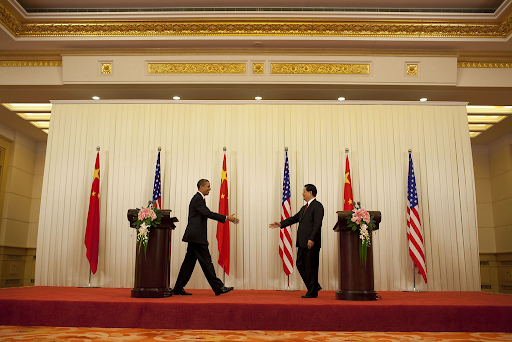
Em parceria com o Observatório Político dos Estados Unidos (OPEU), o Boletim Lua Nova republica a análise de Matheus Rocha sobre a grande estratégia dos Estados Unidos em relação à China, síntese de sua tese de doutorado. O texto foi originalmente publicado em 27 de maio de 2026, no site do OPEU.
Entre Comércio e Segurança: O Encontro Lula-Trump foi Caracterizado por Apaziguamento
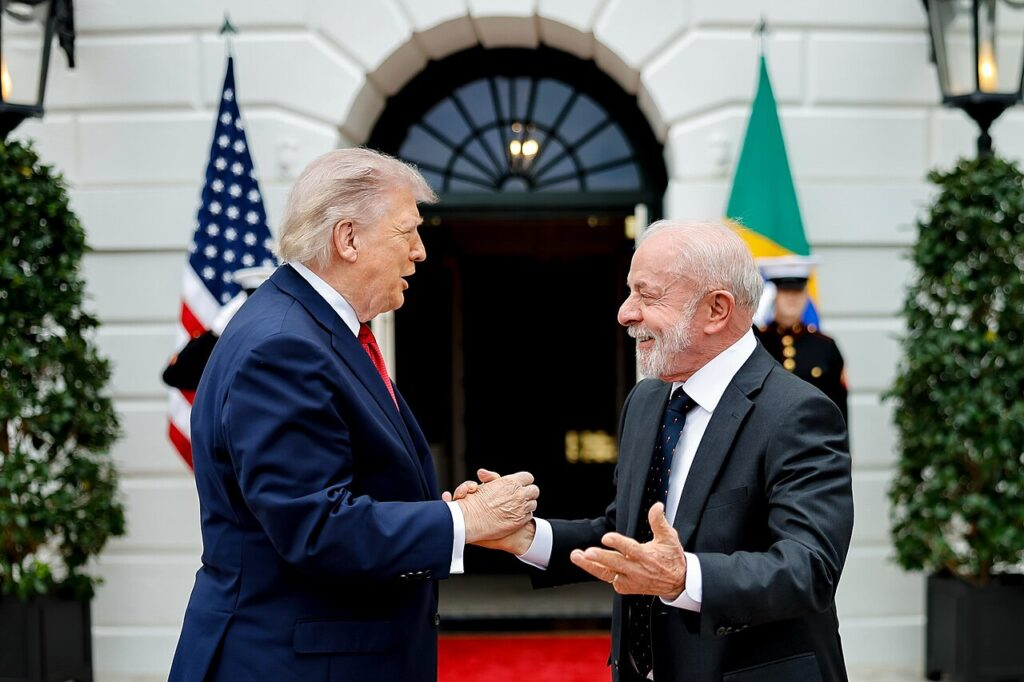
Por Yasmin Abril M. Reis. No dia 7 de maio, os presidentes Luiz Inácio Lula da Silva, e seu homólogo dos Estados Unidos, Donald Trump, tiveram seu primeiro encontro de trabalho formal desde o início do segundo mandato do anfitrião no ano passado. A relação entre os líderes tem sido explicitamente evidenciada pelos lados opostos do espectro político. Além disso, os últimos episódios e tensões conjunturais marcaram as relações Brasil-EUA, para nomear: o tarifaço aos produtos brasileiros; a retirada de vistos de autoridades e inclusão do ministro do Supremo Tribunal Federal (STF) Alexandre de Moraes, na Lei Magnitsky; a investigação da chamada “Seção 301”; a tentativa de mudança da classificação de facções criminosas, como o Comando Vermelho (CV) e o Primeiro Comando da Capital (PCC), para grupos terroristas; assim como a prisão do ex-deputado federal Alexandre Ramagem, no último mês, foram as sucessões de eventos que marcaram essa relação bilateral desde 2025.
Quando a oposição à política não constrói o jurídico: uma análise da rejeição pelo Senado da indicação de Jorge Messias ao STF
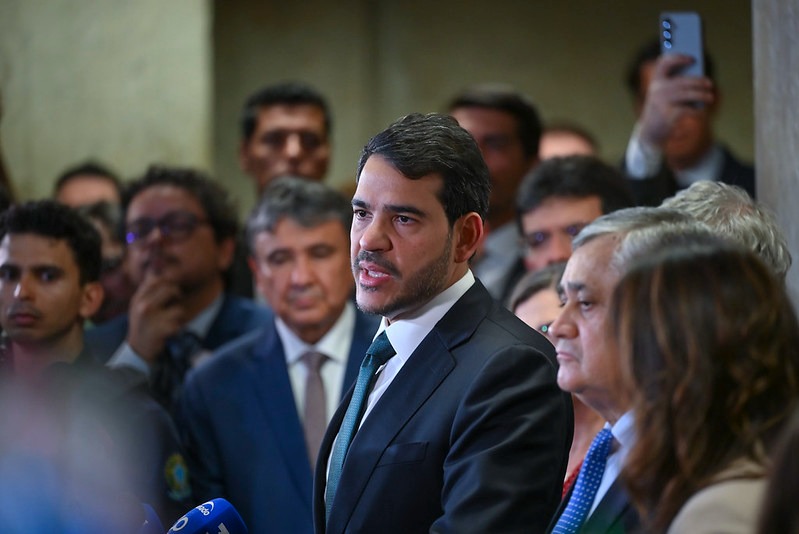
Por Thiago Filippo. A história da cadeira no Supremo Tribunal Federal (“STF”) a que se tentou indicar Jorge Messias, rejeitado pelo Senado em 29/04/2026, é o fio condutor pelo qual podemos elucidar alguns aspectos de como essas vagas normalmente são obtidas e por que razões o evento foi tão extraordinário.
American Political Culture in Transition: the Erosion of Consensus and Democratic Norms (Part V)
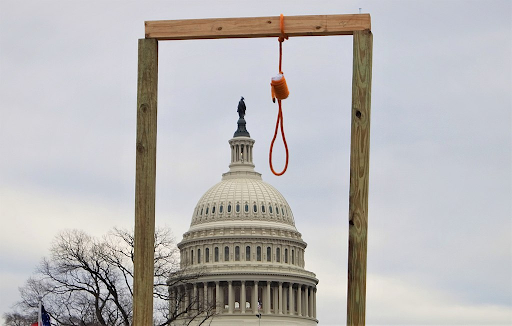
Por Wayne Selcher. The worrisome shift toward a more conflictful political culture in the country preceded Trump’s Republican nomination in 2016, and the dissatisfaction in society is much deeper and lasting than him or his skillful role in harnessing and encouraging that discontent in national politics. A Yahoo News/YouGov survey in June 2022 stated that “Half of Americans now predict U.S. may ‘cease to be a democracy’ someday.” An NPR/Ipsos poll in early 2022 showed broad concerns in the public about the future of democracy in the U.S., concluding, “Overall, 64% agree that American democracy is in crisis and at risk of failing. Even more, 70%, feel the same about America itself.” This sentiment is stronger among Republicans, many of whom accepted Trump’s unproven and increasingly discredited claim that he won the November 2020 election. A 2022 Quinnipiac University national poll found that “nearly six in ten think the nation’s democracy is in danger of collapse,” which instability the respondents saw as a bigger threat to the country than foreign adversaries.
American Political Culture in Transition: the Erosion of Consensus and Democratic Norms (Part IV)
Por Wayne Selcher. Both parties have moved away from the traditional center in the last decade or so, broadening the active range across the political spectrum (especially on the far right), a definite contrast from the 1990s. The Republican Party has shifted far more so, taken over from the more moderate former leadership by Trump and the populist, highly personalistic Make America Great Again (MAGA) movement under his sway. Political scientist Pippa Norris demonstrates, using an internationally comparative attitudes survey on two current wedge issues in American politics, that there is a strong conservative backlash against certain social attitude changes in the U.S.
American Political Culture in Transition: the Erosion of Consensus and Democratic Norms (Part III)
Por Wayne Selcher. Conservative politicians and commentators with a wide audience have been encouraging a backlash of populist outrage, anti-intellectualism, mistrust of “experts,” and skepticism of the liberal establishment or privileged entrenched “elites” who are accused of “suppressing the truth” for their own self-interest. This distrust extends to and impacts public policy on election integrity, government trustworthiness and fairness, official corruption, the honesty of the mainstream media, and the relationship between science and public policy (including in public health and climate change), among other basic issues.
American Political Culture in Transition: the Erosion of Consensus and Democratic Norms (Part II)
Por Wayne Selcher. This malady is so relevant and severe that Pew Research maintains a useful section with its surveys about political polarization in American politics. According to Gallup in January 2023, “Americans’ party preferences were evenly divided in 2022, with 45% of U.S. adults identifying as Republican or saying they were Republican-leaning independents, and 44% identifying as Democrats or saying they were Democratic-leaning independents.” A repudiation of the two-party system is implied in the fact that “since 2009, independent identification has grown and reached levels not seen before. Now, political independents (41%) greatly outnumber Republican (28%) and Democratic (28%) identifiers.” But many of the independents, although often seen as “swing voters,” tend to vote regularly for one party over the other. Each party also has its own internal factions and shifting intra-party coalitions. For example, persons of color who identify as Democrats are more conservative on some key social issues (including immigration, free trade, and abortion) than are the college-educated White liberals in the party.
American Political Culture in Transition: the Erosion of Consensus and Democratic Norms (Part I)
Em parceria com o Observatório Político dos Estados Unidos (OPEU), o Boletim Lua Nova republica, em cinco partes, a análise do professor Wayne Selcher, de Elizabethtown College, sobre a erosão do consenso democrático nos Estados Unidos. Este texto é o primeiro de uma série para o OPEU sobre as notícias políticas nos Estados Unidos. O texto foi originalmente publicado em 29 de fevereiro de 2024, no site do OPEU.