
A Luta Pela Sobrevivência das Mulheres no Brasil – Entrevista com Mayra Cotta

Para a coluna de hoje do Boletim Lua Nova, Ronaldo Tadeu de Souza entrevista Mayra Cotta, advogada, consultora em compliance de gênero e doutoranda em política na New School for Social Research, em Nova York, sobre a violência direcionada a mulheres e meninas no Brasil, da implementação da Lei Maria da Penha às assimetrias de poder no mundo do trabalho, passando pela violência política de gênero e pelos impasses da teoria crítica contemporânea.
Retomada da Teoria Política: Thomas Hobbes no Texto (Leo Strauss) e no Contexto (Quentin Skinner)

Na segunda parte de seu ensaio para o Boletim Lua Nova, Ronaldo Tadeu de Souza coloca os métodos de Leo Strauss e Quentin Skinner em ação. De um lado, a leitura esotérica e textual de Strauss revela um Hobbes focado na moral do temor da morte violenta; de outro, o contextualismo de Skinner resgata um Hobbes imerso nas disputas de linguagem sobre a liberdade na Revolução Inglesa. Souza nos apresenta, em linguagem acessível, como duas hermenêuticas distintas disputam a mesma questão: as bases do Estado moderno e a busca pela estabilidade existencial.
Rethinking Democracy from Vulnerability: Inequality, Disasters, and Humanitarianism in Latin America and the Caribbean

Por Juan Ricardo Aparicio Cuervo, “Rethinking Democracy from Vulnerability: Inequality, Disasters, and Humanitarianism in Latin America and the Caribbean” compõe mais uma edição da série Especial do Boletim Lua Nova em parceria com a Justice in the XXI Century: A Perspective from Latin America (JUSTLA).
CADERNOS CEDEC 143 – O Sistema Internacional sob Pressão: Disputas por Normas, Poder e Autoridade
Para a coluna de hoje, o Boletim Lua Nova divulga a apresentação Dossiê “O Sistema Internacional sob Pressão: Disputas por Normas, Poder e Autoridade”, publicado nos Cadernos CEDEC nº 143. Os dois volumes deste número reúnem artigos selecionados a partir do XIII Simpósio de Pesquisa em Relações Internacionais (SimpoRI 2025) realizado no entre os dias 10 e 13 de novembro em uma parceria entre o Programa de Pós-Graduação em Relações Internacionais “San Tiago Dantas” (Unesp, Unicamp, PUC-SP) e o Programa de Pós-Graduação em Relações Internacionais da Universidade do Estado do Rio de Janeiro (PPGRI-UERJ).
A ordem monetária e financeira internacional no pós-crise de 2008
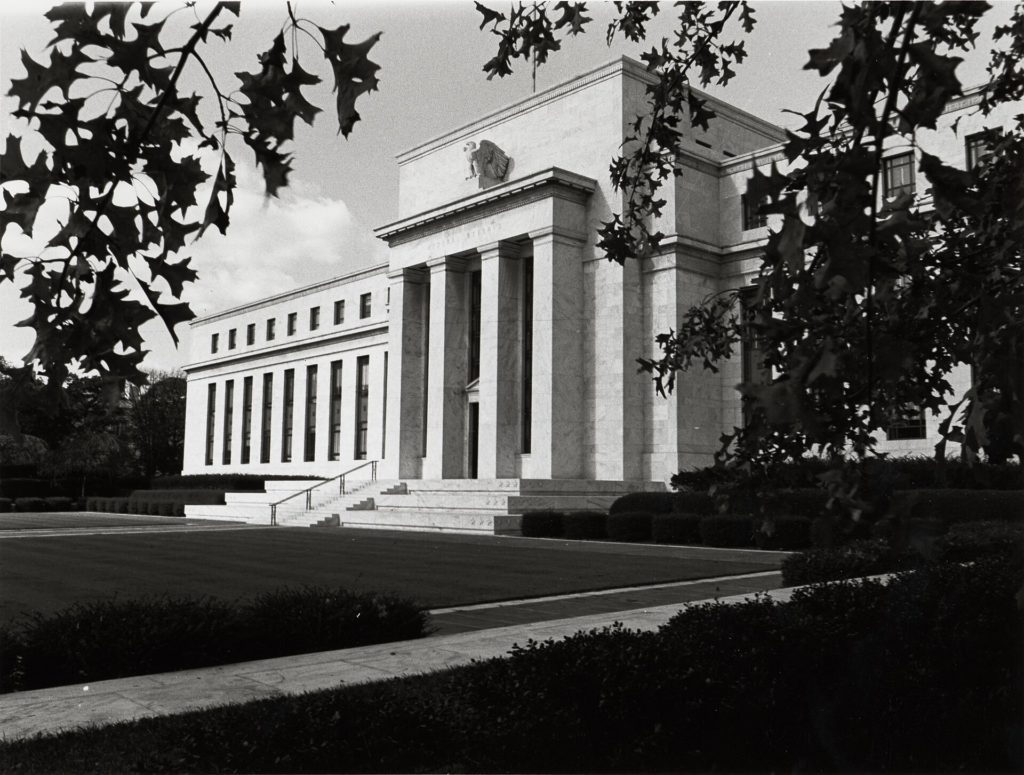
Por Debora Garcia Gaspar. O imediato pós-Crise Financeira Global (CFG), a partir de 2008, abriu a discussão sobre o Sistema Monetário e Financeiro Internacional (SMFI), e os elementos políticos que o ordenam, de forma bastante ampla, evocando possibilidades de transformação que pareciam interditadas até então. Iniciando com discursos políticos, tanto denunciatórios — como os de Lula e de Cristina Kirchner, na Assembleia Geral da ONU, sobre o mercado financeiro desregulado do Norte Global —, como propositivos — como o do Presidente do Banco Central Chinês sobre a necessidade de uma moeda verdadeiramente internacional para compensações financeiras entre países —, o debate aos poucos reverberou na academia, desdobrando-se em propostas teóricas. No artigo publicado na Revista Carta Internacional, recupero alguns elementos desse debate, articulando a noção de ordem monetária e financeira internacional com os mecanismos de gestão do SMFI implementados a partir da crise de 2008.
‘I Want You’ (again): Trump 2.0 e a retomada do debate sobre alistamento militar nos EUA
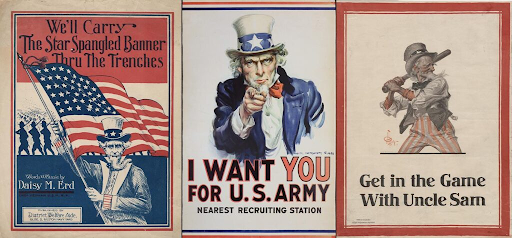
Em parceria com o Observatório Político dos Estados Unidos (OPEU), o Boletim Lua Nova republica, em duas partes, a análise de Clarissa Nascimento Forner sobre a retomada do debate de alistamento militar nos Estados Unidos. Este texto é parte de uma série do OPEU sobre as forças armadas estadunidenses. O texto foi originalmente publicado em 29 de julho de 2026, no site do OPEU.
A desigualdade polariza a política? Depende de qual desigualdade e de qual polarização

Por Pedro M. R. Barbos e Arthur Z. Guerriero
Na última década, houve uma crescente preocupação com o recrudescimento da polarização política em diversas democracias, particularmente porque tal fenômeno passou a ser associado aos processos de erosão democrática observados nesse período. Na ciência política, uma hipótese recorrente sustenta que a polarização política constitui um reflexo do aumento da desigualdade econômica nas democracias. Essa hipótese foi inicialmente formulada a partir do caso dos Estados Unidos, que, desde a década de 1970, apresenta um processo concomitante de acirramento da animosidade entre republicanos e democratas — tanto no nível das elites políticas quanto no da sociedade — e de aprofundamento da desigualdade econômica no país. Mais recentemente, contudo, essa hipótese tem sido também explorada para entender a polarização em outras democracias, especialmente as europeias.
“Certo nível de concentração de riqueza é prejudicial para a economia”: Entrevista com a economista belga Ingrid Robeyns

O Boletim Lua Nova republica, na coluna de hoje, a entrevista com a economista e filósofa Ingrid Robeyns, originalmente publicada no portal uruguaio Brecha (edição 2111, de 8 de maio de 2026). Para a autora, catedrática do Instituto de Ética da Universidade de Utrecht (Países Baixos) e professora visitante no Centre for Analysis of Social Exclusion da London School of Economics, deveria existir um teto para o quanto de riqueza uma única pessoa pode acumular. É o que ela chama de limitarismo, tese que desenvolveu no livro Limitarisme (2023), em que argumenta que, no mundo contemporâneo, a concentração de riqueza ameaça a coesão social, a democracia, o meio ambiente e a própria economia capitalista. Agradecemos aos autores e ao Brecha pela gentil autorização para esta republicação.
“Certo nível de concentração de riqueza é prejudicial para a economia”: Entrevista com a economista belga Ingrid Robeyns
Por Andrea Vigorito e Gustavo Pereira. O Boletim Lua Nova republica, na coluna de hoje, a entrevista com a economista e filósofa Ingrid Robeyns, originalmente publicada no portal uruguaio Brecha (edição 2111, de 8 de maio de 2026). Para a autora, catedrática do Instituto de Ética da Universidade de Utrecht (Países Baixos) e professora visitante no Centre for Analysis of Social Exclusion da London School of Economics, deveria existir um teto para o quanto de riqueza uma única pessoa pode acumular. É o que ela chama de limitarismo, tese que desenvolveu no livro Limitarisme (2023), em que argumenta que, no mundo contemporâneo, a concentração de riqueza ameaça a coesão social, a democracia, o meio ambiente e a própria economia capitalista. Agradecemos aos autores e ao Brecha pela gentil autorização para esta republicação.
Lá e De Volta Outra Vez? Donald Trump e a Cúpula do G7 em Évian
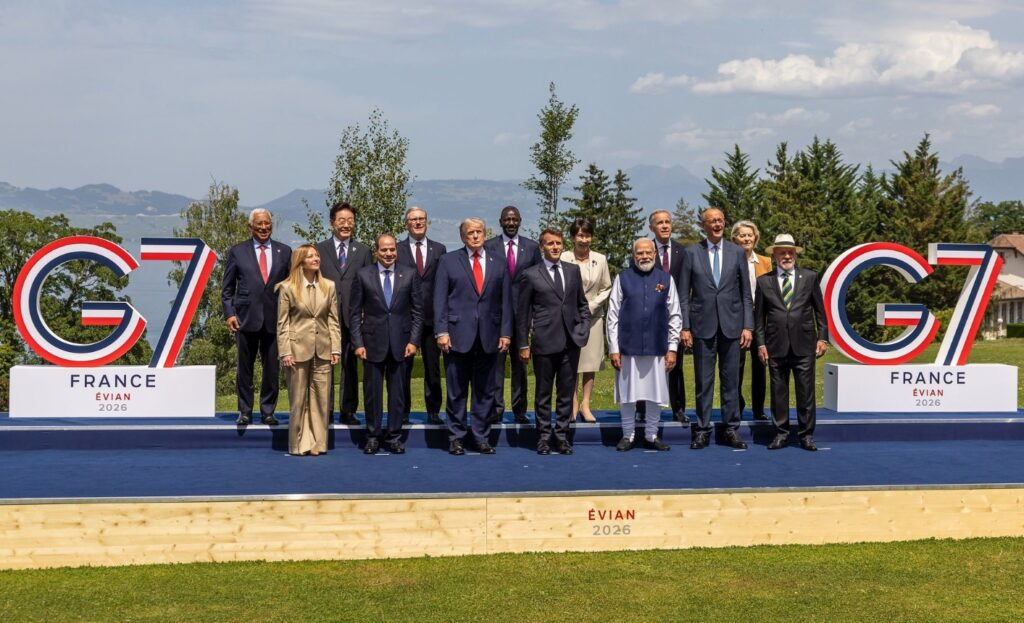
Por Leonardo Ramos. Em 2026, após 23 anos, a Cúpula do G7 ocorreu novamente na cidade de Évian, França, marcando um ponto relevante na trajetória diplomática de Donald Trump com relação ao grupo. Conhecido por, desde seu primeiro mandato, esvaziar a relevância do G7 e desafiar o multilateralismo, o presidente estadunidense adotou em Évian uma postura que, embora ainda centrada em sua lógica transacional e em sucessos bilaterais, permitiu uma rara convergência de interesses entre os países do G7 em um delicado momento da conjuntura internacional.